
Back-To-Wall Vs. Wall-Hung Toilets: A Comparative Guide
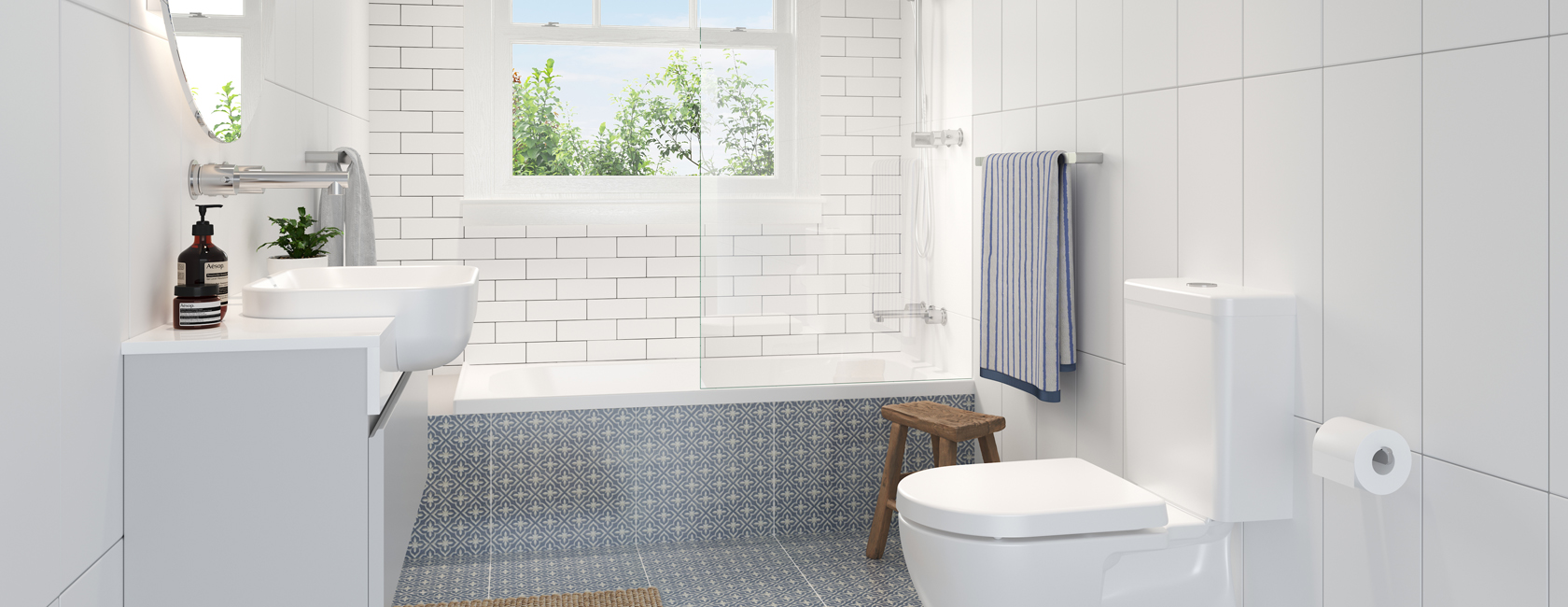
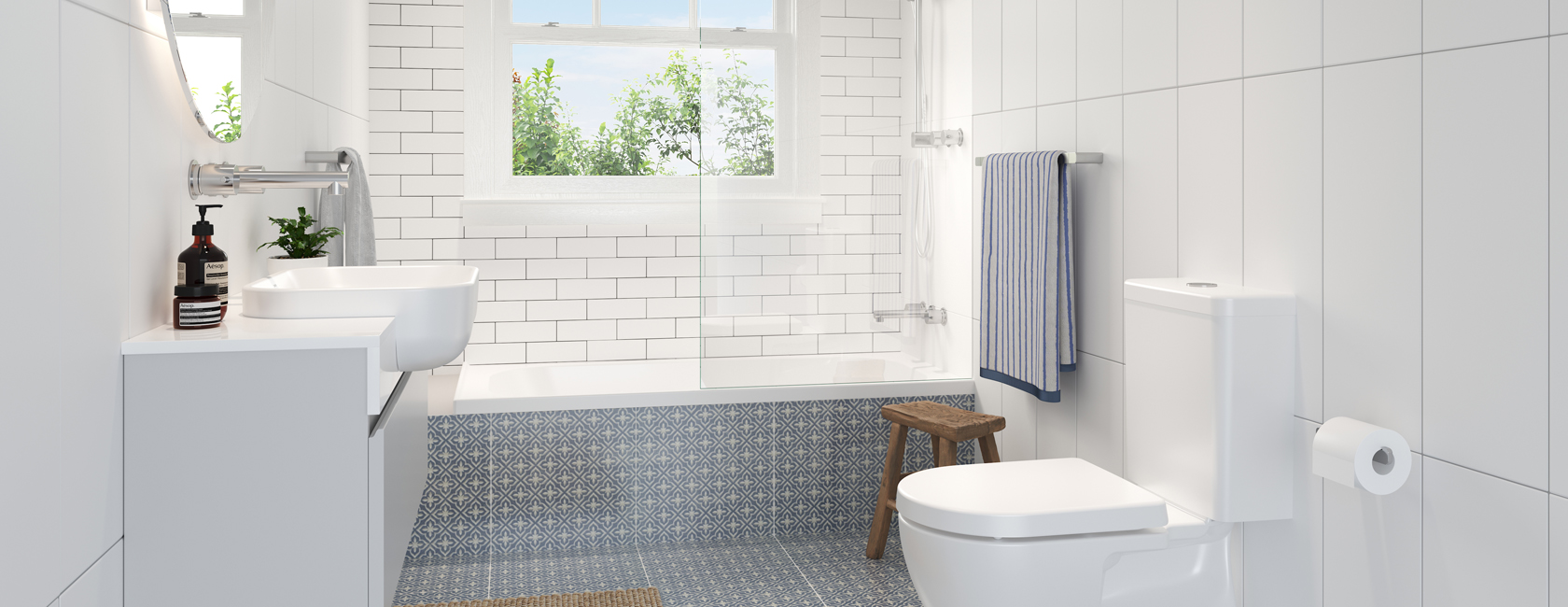
Behind every concealed-cistern toilet is a decision about how much of the wall gets involved. A back-to-wall toilet keeps the cistern out of sight without touching the wall structure itself, and it still stands on the floor like a standard toilet. A wall-hung toilet takes it further, doing away with floor contact altogether and building the cistern into the wall cavity. The gap between the two isn't really about looks. It's about how much of your bathroom you're willing to open up.
Wall-hung vs back-to-wall toilets: Is there a difference?
Yes, and it's a structural one, not just a style choice. A back-to-wall toilet connects to standard floor waste and water supply the same way a traditional toilet does, which means it can go into almost any bathroom without extra prep. A wall-hung toilet needs a steel carrier frame fitted inside the wall to support the pan and take the weight of someone using it, so the wall itself has to be built or modified to suit.
That single requirement, a frame inside the wall or not, is what determines whether a toilet can be a simple swap or needs to be planned into a renovation from the start.
Installation requirements
Because a back-to-wall toilet still stands on the floor, installation is largely the same as replacing any standard toilet: connect to the existing floor waste and water supply, with the cistern tucked behind a wall panel, a furniture unit or a false wall built to conceal it. No structural work is needed, which is why back-to-wall toilets are common in bathroom updates that aren't touching the layout.
A wall-hung toilet asks considerably more of the wall itself. The carrier frame has to be fixed to the studs or a purpose-built support, rated to hold the pan plus the weight of everyday use, and the wall around it typically needs to be opened, framed and re-sheeted once the frame and in-wall cistern are in place. That level of work is only really practical during a full bathroom renovation or a new build.
Cleaning, floor space and everyday use
With no pedestal touching the ground, a wall-hung toilet leaves the floor beneath it completely open. It doesn’t have a base, join or awkward corner to clean around, just a flat surface that can be mopped straight through. In a small bathroom or ensuite, a floor that reads as continuous rather than broken up by toilet furniture can also make the whole space feel less cramped.
A back-to-wall toilet still meets the floor. This allows day-to-day cleaning to be the same as with a standard toilet, with a small gap or seal at the base that needs an occasional wipe. It's a minor difference in upkeep, and in exchange, the layout stays simpler since nothing behind the toilet needs to be reworked to fit it.
Style, maintenance and cost
Wall-hung toilets tend to read as more minimal and design-forward, since the pan appears to float with nothing visible underneath, which suits bathrooms built around clean lines and open floor space. Back-to-wall toilets cover a wider spread of styles, from soft-square contemporary shapes through to more traditional profiles, and fit comfortably into most bathroom aesthetics. You don’t need to have the wall cavity a wall-hung toilet demands.
Maintenance access follows the same structural divide: a wall-hung cistern is reached through an access panel, usually built into the flush plate, while a back-to-wall cistern behind a removable panel or unit is generally quicker to get to. Cost tends to follow the same pattern. Back-to-wall toilets are typically the cheaper option since they use standard floor waste, while wall-hung toilets cost more once the frame, in-wall plumbing and extra labour are factored in.
Back-to-wall vs wall-hung toilets at a glance
|
Back-to-wall toilet |
Wall-hung toilet |
|
|
Installation |
Standard floor waste, no wall cavity needed |
Requires in-wall carrier frame |
|
Floor clearance |
Pan sits on the floor |
Floor completely clear underneath |
|
Best suited for |
Replacements, simpler renovations |
Full renovations, small bathrooms, design-led spaces |
|
Maintenance access |
Cistern behind removable panel or unit |
Access panel via flush plate |
|
Price range |
Lower |
Higher |
Wall-hung vs back-to-wall toilets: Which one fits your bathroom?
The wall is really the deciding factor. If it's already open as part of a full renovation, a wall-hung toilet is worth the extra step for the cleaner look and easier floor access. If the wall isn't being touched, or the budget doesn't stretch to structural work, a back-to-wall toilet gets you a concealed cistern without needing to go anywhere near the studs.
Tradelink's toilet range covers both options across a range of styles and price points, including a dedicated selection of back-to-wall toilet suites if that's the direction you're leaning. Current promotions are worth checking before you commit, and your nearest Tradelink store can talk through what your specific bathroom and budget can actually support.
Not sure what your wall can handle or what a carrier frame install involves? Our FAQs are a good place to start.